Hidden Winter Tree Hazards Tulsa Homeowners Miss
Published:
February 16, 2026
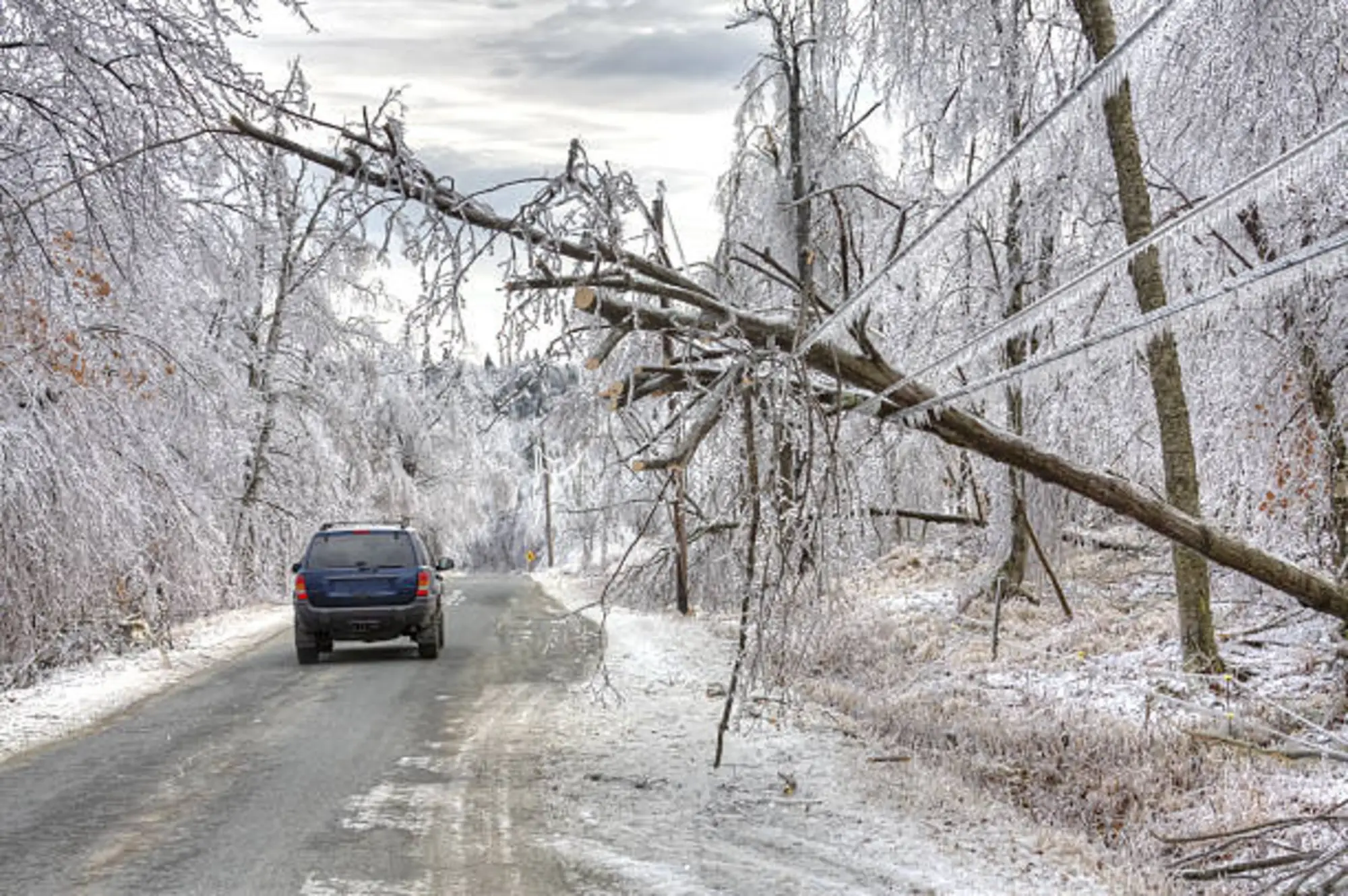
Winter in Oklahoma can be unpredictable. One week it’s mild, the next we’re dealing with ice, freezing rain, and sudden temperature swings. While most homeowners focus on their roofs and pipes, many overlook serious tree hazards Tulsa properties face during and after winter storms.
The truth is, some of the most dangerous trees in Tulsa aren’t obvious at first glance. Small cracks, subtle leaning, and weakened limbs can quietly turn into major property damage risks — especially when spring storms roll in.
If you’re searching for tree service near me Tulsa, here’s what you need to know before winter damage becomes an emergency.
Tree Hazards Tulsa Homeowners Often Overlook After Ice Storms
Ice storms are one of the biggest causes of dangerous trees Tulsa OK residents deal with every year. Even a thin layer of ice adds tremendous weight to branches. According to the National Weather Service, ice accumulation can increase branch weight by hundreds of pounds, leading to structural failure.
However, not all damage is obvious right away.
Hairline Cracks in Trunks
After ice buildup, trunks can develop vertical or spiral cracks. These splits weaken the tree’s core stability. While the tree may still be standing, internal structural damage increases the risk of sudden failure during high winds.
Split or Hanging Limbs
Broken limbs that remain lodged in the canopy are often called “widowmakers.” They may not fall immediately, but once temperatures rise or winds pick up, they can drop without warning.
Hidden Root Stress
Ice and saturated winter soil can compromise root systems. When roots loosen, trees become unstable — even if the canopy looks healthy.
The International Society of Arboriculture explains that root damage is one of the leading causes of delayed tree failure after storms. That means a tree that looks fine in February may fail in April.
Leaning Trees – A Major Tree Hazards Tulsa Warning Sign
One of the most serious tree hazards Tulsa homeowners miss is gradual leaning.
After winter freezes and thaws, soil shifts. When that happens, trees that were previously stable can begin to tilt slightly. A lean of even 5–10 degrees can indicate root plate movement.
How to Tell if a Lean is Dangerous
Not all leaning trees need removal. However, warning signs include:
- Fresh soil cracking around the base
- Exposed roots on one side
- Sudden leaning after a storm
- Soil mounding on the opposite side
If you notice these signs, it’s time to search for tree service near me Tulsa before spring storm season arrives.
Unchecked leaning trees are among the most dangerous trees Tulsa OK neighborhoods deal with — especially near homes, fences, or driveways.
Weak Limbs and Structural Damage from Ice Weight
Tulsa winters often include ice events that stress large canopy trees like oaks, maples, and elms. While some limbs snap immediately, others develop internal fractures.
These weakened limbs:
- May not leaf out properly in spring
- Can break during moderate winds
- Create hazards over sidewalks or roofs
The Oklahoma Forestry Services notes that preventative pruning reduces storm damage risk significantly.
Proper structural pruning during late winter strengthens tree architecture and removes compromised branches before they fall.
If you want to prevent costly damage, professional inspection matters more than guesswork.
Dangerous Trees Tulsa OK – When Removal Becomes Necessary
Not every damaged tree needs removal. However, some winter damage creates irreversible structural instability.
Removal may be necessary if:
- The trunk is split through more than 25% of its diameter
- Major scaffold limbs are broken
- The tree is leaning toward a structure
- Root systems are compromised
- There is internal decay exposed by storm damage
At that point, the risk outweighs the value of preservation.
Why Winter Tree Hazards Tulsa Problems Get Worse in Spring
Here’s the part most homeowners miss.
Winter damage doesn’t stay in winter.
As temperatures warm:
- Sap flow increases internal pressure
- New growth adds weight to weakened limbs
- Spring thunderstorms bring high winds
- Saturated soil increases uprooting risk
A tree that survived January ice may fail during April storms.
Proactive inspection during late winter or early spring reduces emergency calls later.
When to Call Tree Service Near Me Tulsa
You should contact a professional tree service if you notice:
- Sudden leaning
- Large cracked limbs
- Hollow sounds when tapping trunk
- Bark peeling after freeze events
- Dead sections in the canopy
- Branches overhanging your roof
The sooner damage is assessed, the safer your property remains.
Hickman Trees is fully licensed, bonded, and insured — and we understand how Oklahoma winters affect local species.